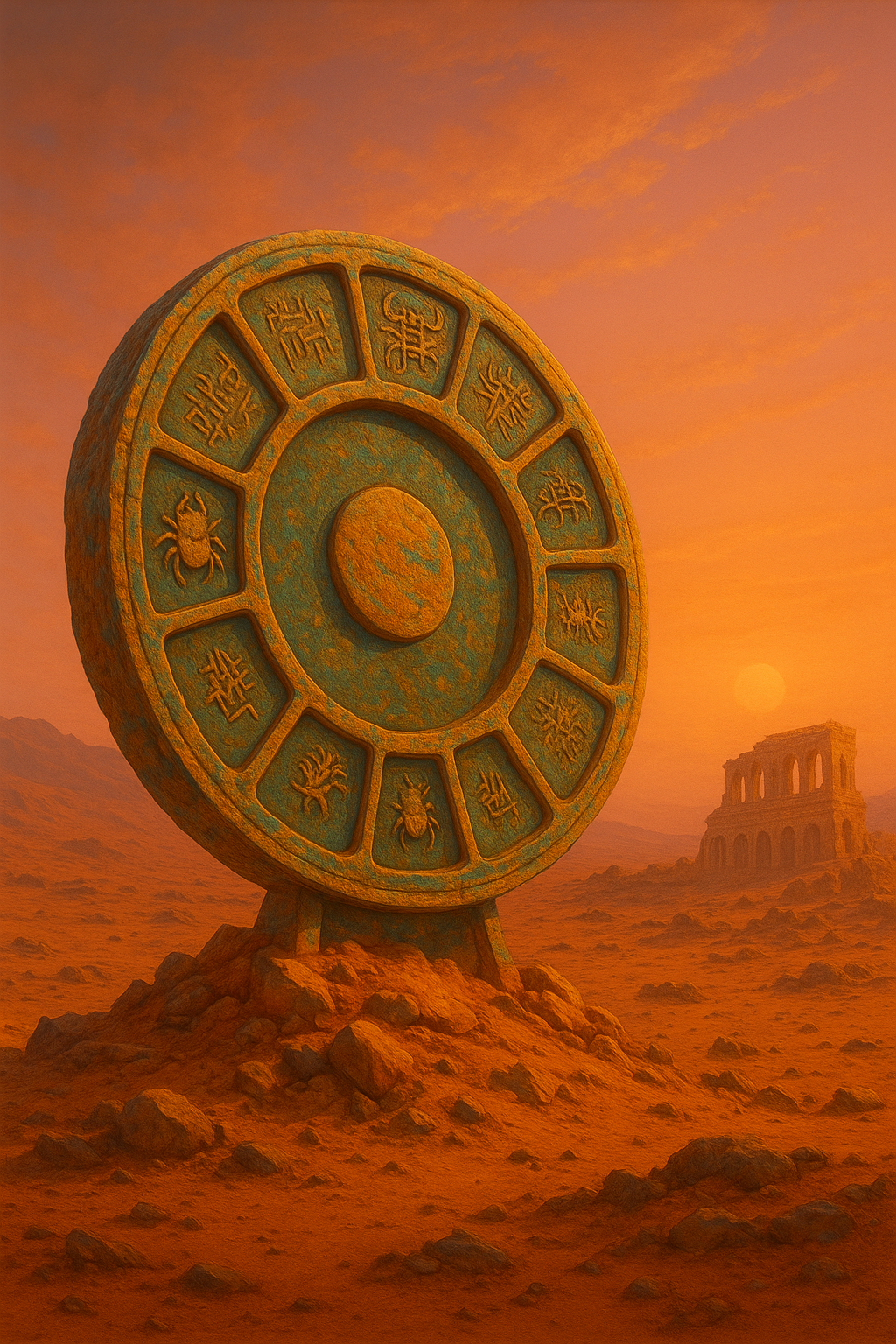
The disk stood upright in the dust like some ancient timepiece cast down from a forgotten world. Its face bore the graven marks of vanished beings, their symbols weathered by winds that had blown across that red waste for millennia untold. The patina of verdigris spread across its surface like a plague, green against the oxidized copper, testament to ages of slow corruption under alien skies.
In the distance rose skeletal ruins against the ember glow of evening, columns broken like the ribs of some vast beast picked clean and abandoned to the sand. The sun hung low, turning the world to rust and fire.
No track led to this place nor away from it. The artifact stood solitary in its vigil, inscrutable, bearing its cargo of forgotten meaning. Scarabs and spiders marked their territories in the compartments of its face, their forms rendered in relief like some final hieroglyphs of a dying tongue. What liturgy or calendar it measured had passed beyond all reckoning and the wind made the only sound, scouring the dead world with mindless persistence, and the shadows lengthened, and the day died.
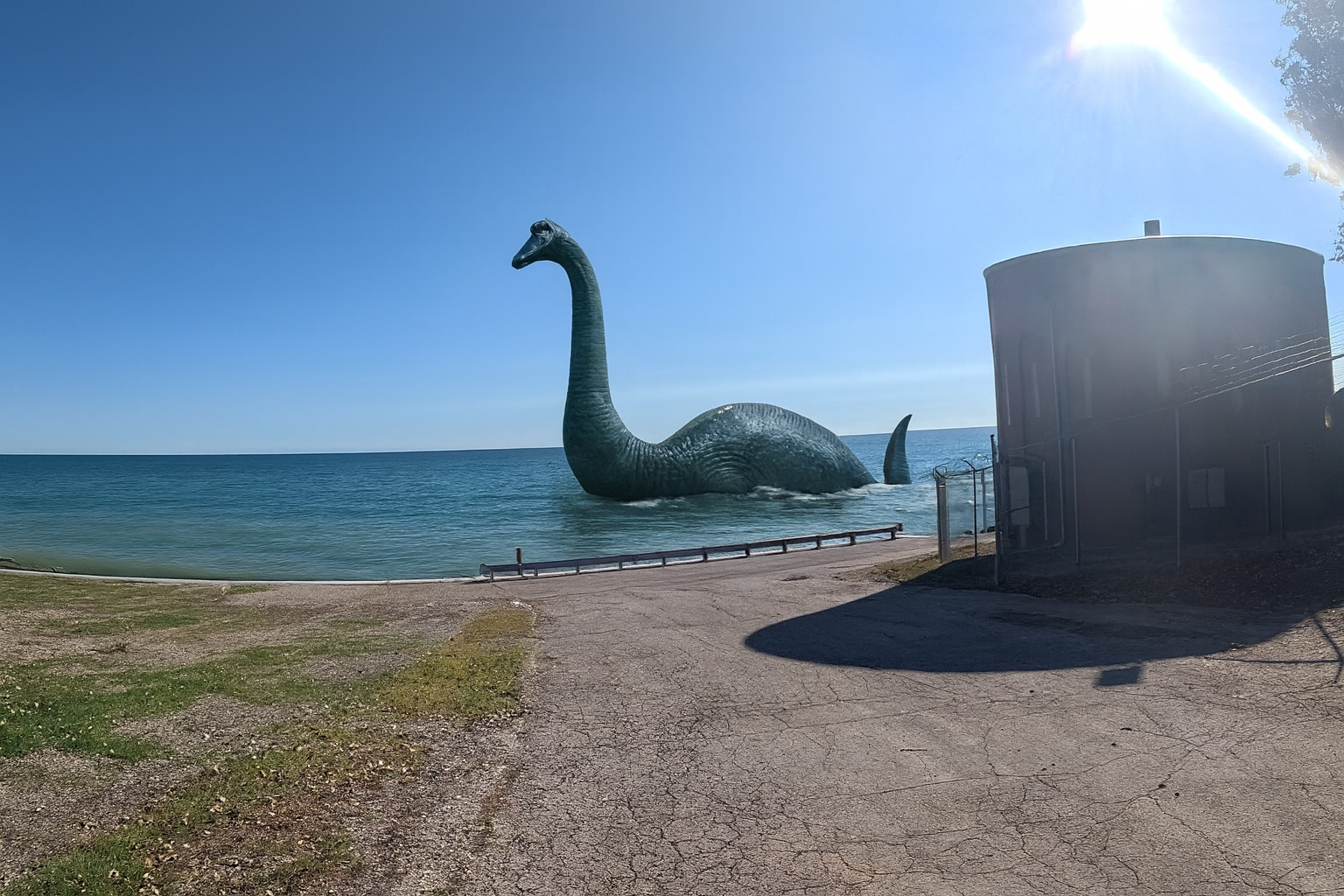
Dippy the Diplodocus rose from the deeps like some antediluvian dream made manifest, its great columned neck ascending from the gray waters of the lake. The Cudahy pumphouse stood witness, that cylinder of concrete like some monument to the age of steel and diesel, now dwarfed by this visitor from an age when the earth itself was young and the sun burned with a different fire.
The path lay cracked and weatherworn. The grass at its margins yellowed and sparse. No sound but the lapping of water against the shore and the distant cry of gulls wheeling in that depthless blue. The creature regarded the land with eyes that had seen the world when it was green and savage, when great ferns covered the earth and the only law was hunger and the brutal mathematics of survival.
It had returned as if drawn by some lodestone buried deep in the memory of stone and water, as if the pumphouse itself had called to it across the millennia, one testament to existence calling another. The shadow it cast stretched long across the path and the people came or they did not and the lake went on in its turning and the earth turned beneath it, indifferent as always to the affairs of men and monsters alike.
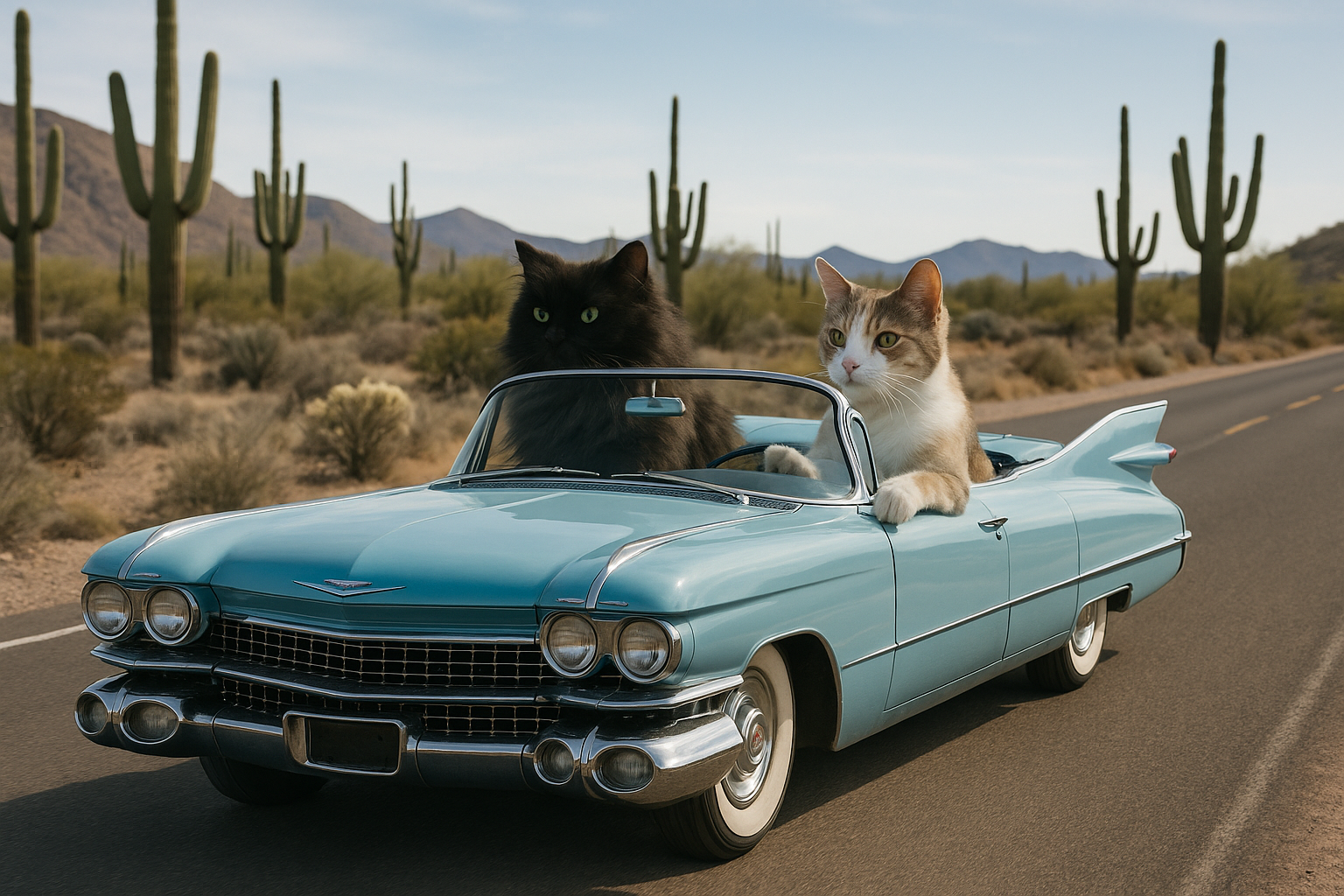
They drove through the country of dust and ruin, a place where the sun burned down like judgment, the sky above them vast and pitiless. The Cadillac, blue as a forgotten dream, cut along the blacktop, humming low like some hymn. Two cats sat within it, one black as the pit and the other tawny and watchful, the driver. Their eyes narrowed not with worry but with the cold calculation of those who had seen the world and found it wanting.
They passed saguaros like sentinels thorned and skeletal, reaching for a heaven that did not answer. The land stretched on, empty save for the wind, which bore no scent of life, only the stale breath of things long dead. The cats did not speak. Something had been left behind. Or waited ahead. Either way, the car moved forward, indifferent. They drove on.
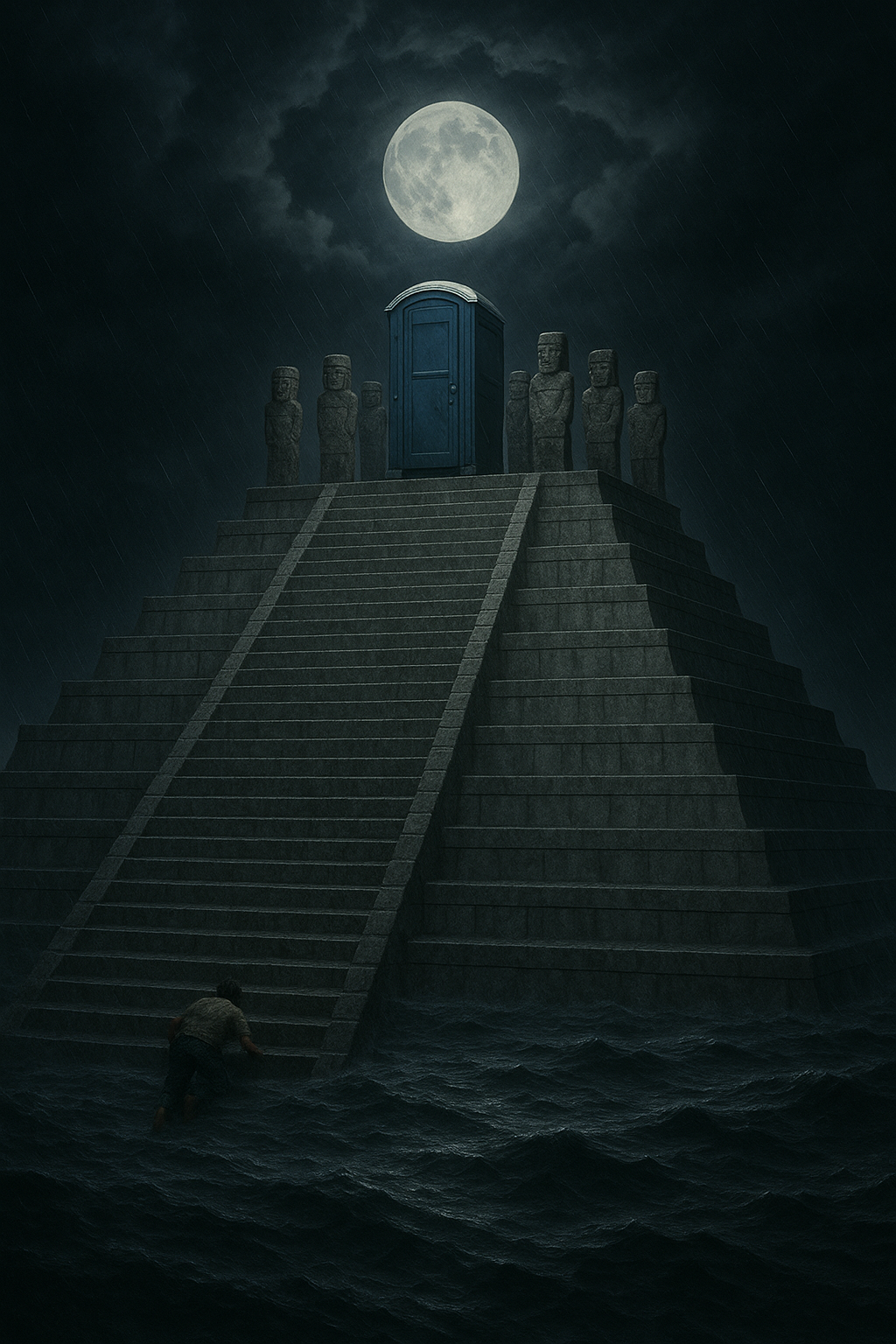
The temple rose from dark waters like some monument to gods long turned to dust. The lunar disk hung in that firmament pale and absolute, a cyclopean eye bearing witness to the earth’s old corruptions. Rain fell slantwise through the darkness and the statues stood in their weathered vigil, their faces worn smooth by centuries of wind and grief.
The door at the summit, that blue anomaly, some absurd portal grafted onto antiquity as if modernity itself were but another stone to be laid upon the altar of ruin, testament to all seekers who’d climbed before and found at the top only what they’d carried with them all along.
The sea moved in its ancient rhythms, indifferent, immutable. The rain fell. The moon watched. And the door, that incongruous blue door, stood closed against the supplicant and the pilgrim alike, offering neither entrance nor explanation, only the cold comfort of its own inscrutable existence in a world where all answers are bought with the same coin and all climbers arrive at last to the same locked threshold.
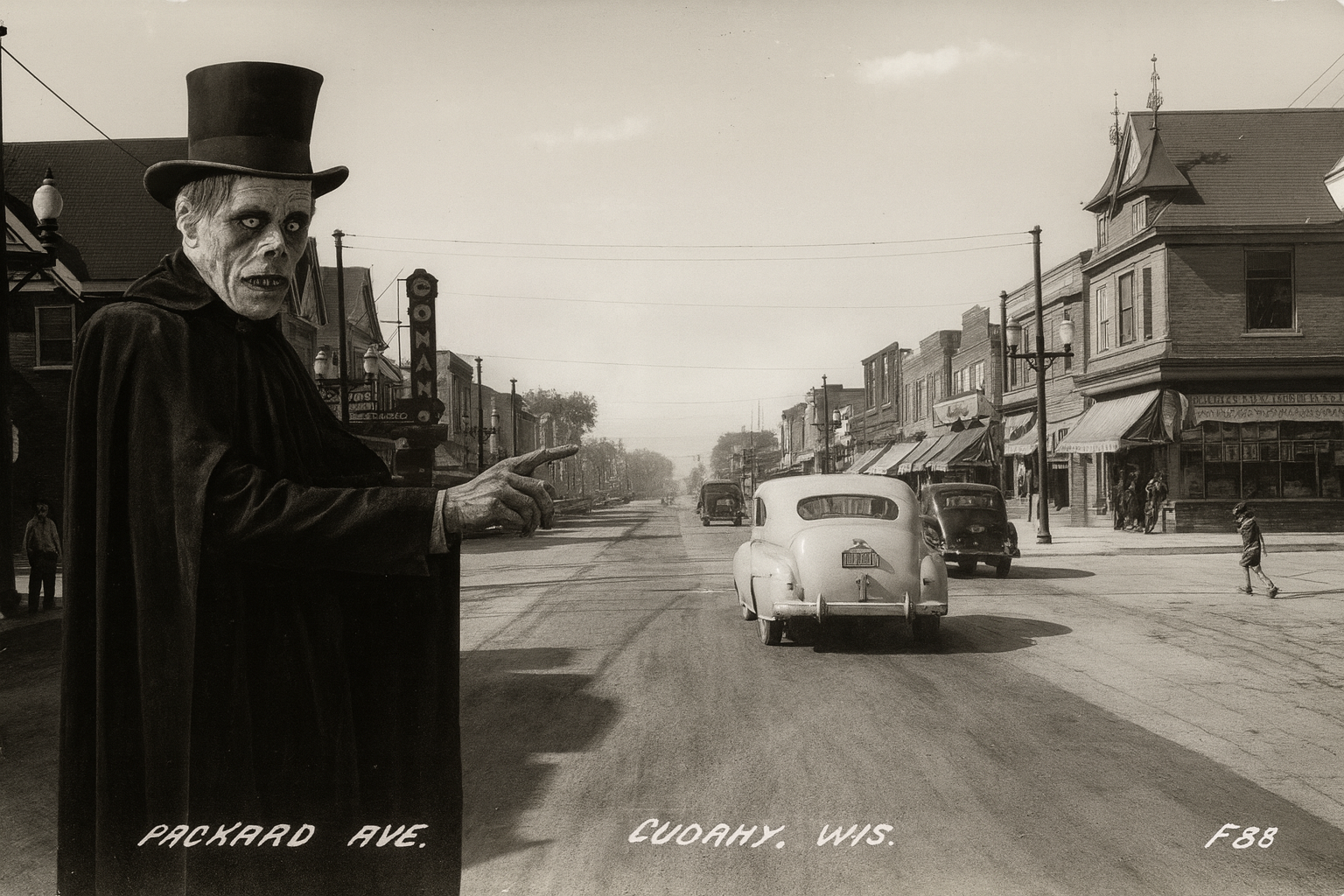
A History of The Cudahy Taverns


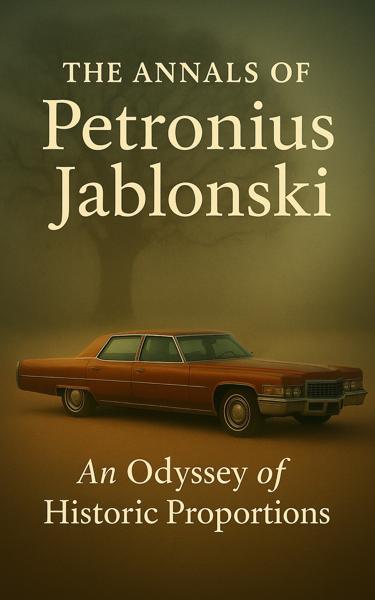
 Petronius Jablonski